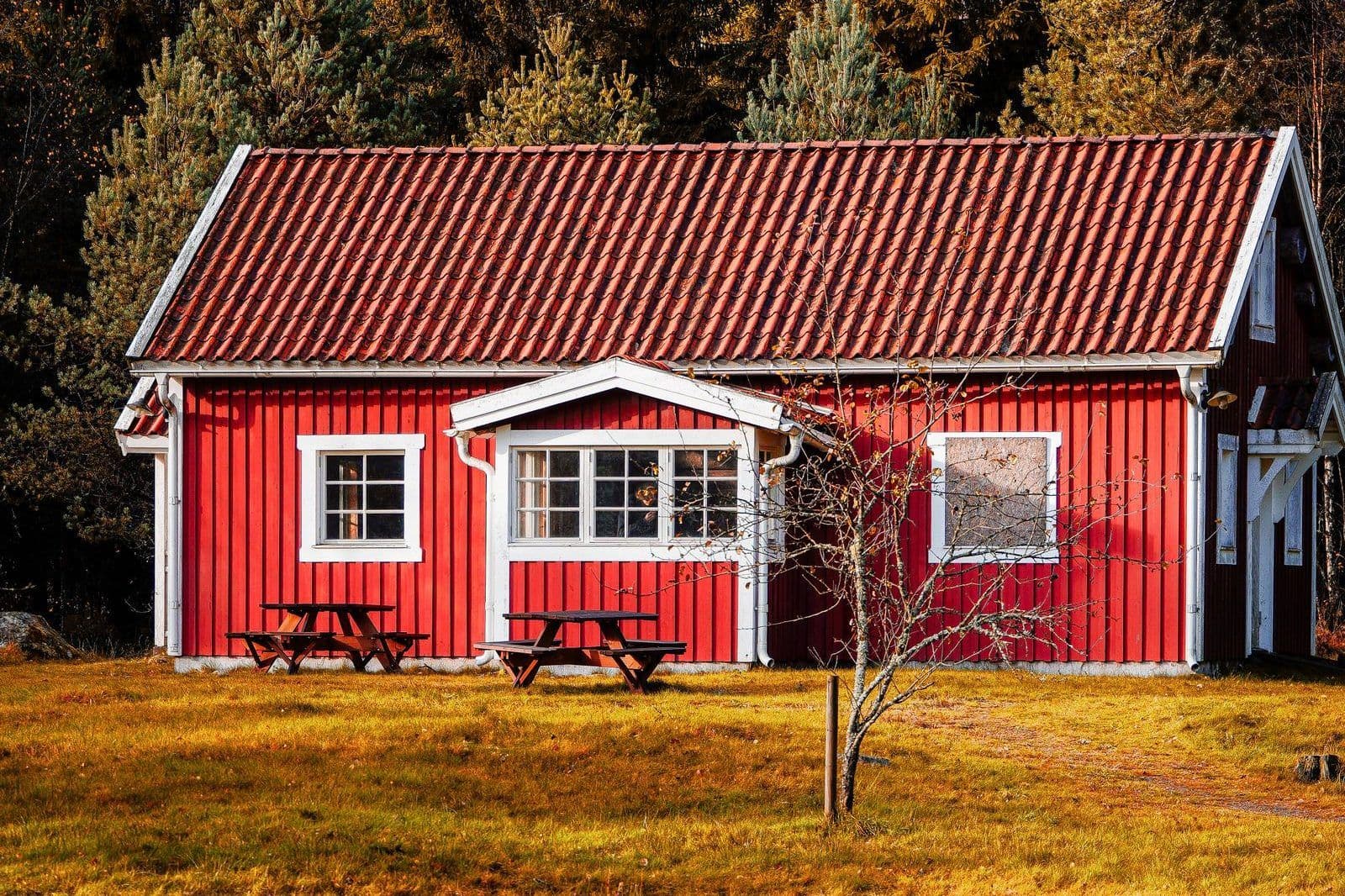
Quick Answer: A seasonal camp gets the same home inspection as a year-round house, but the risks are different. Camps sit closed up through long North Country winters, so we pay extra attention to freeze damage in the plumbing, the posts and piers the camp sits on, the roof under snow load, the wiring, the heat source, and the water supply. Have the water and power turned on before the inspection, and test the water if anyone will be drinking it.
Fall is when a lot of camps change hands. Owners close them up for the season, decide they're ready to sell, and buyers who spent the summer looking finally make an offer. A camp in the woods or on the water is one of the best parts of living in the North Country. It can also hide problems that a quick walkthrough on a nice October afternoon won't show you.
We're Edith and Payen Ashley of A2A Home Inspections, and we inspect homes of every kind across St. Lawrence County, Franklin County and the surrounding North Country, including camps and seasonal cottages. Here's what we look at and how to prepare.
Get the camp ready before the inspection
The single biggest issue with camp inspections is that the systems are shut down. We can only evaluate what's running. Before the inspection, ask the seller to:
- Turn on the power at the main and at any outbuildings
- De-winterize the plumbing and turn the water on, so we can run fixtures and look for leaks
- Light or enable the heat source, whether that's a furnace, a propane heater or a stove
- Unlock everything, including crawl space hatches, sheds and the electrical panel
- Clear access to the attic hatch, the water heater and the pump or water intake
If something can't be turned on, we'll note it in the report as not tested. That's worth knowing before you close, because it's a question you'll need answered somewhere else.
Freeze damage in the plumbing
Every camp that sits through a North Country winter depends on being drained properly in the fall. Miss one low spot and a pipe splits. We look for:
- Split fittings, bulged pipes and recent patches
- Water stains under sinks, around the water heater and on the floor framing below
- Drain lines without the right traps, or traps that were never protected from freezing
- How the system is set up to drain, and whether it looks like it actually drains completely
Once the water is back on, small leaks show up fast. That's why turning the water on before the inspection matters so much.
What the camp sits on
Many camps aren't built on a full foundation. They sit on posts, piers, concrete blocks or a mix of all three, sometimes on a slope or near the water. Frost heave works on these supports every winter. We look for:
- Posts or piers that have heaved, tipped or settled
- Rotted wood where framing meets the supports or touches the ground
- Floors that slope or bounce, and doors that won't close
- Skirting that traps moisture underneath the camp
The roof and snow load
Camps often go all winter without anyone clearing the roof. A season of heavy snow on an older, lighter-built roof can leave sagging rafters, cracked framing and leaks. We look at the roof covering and flashing from outside and the framing and sheathing from the attic or underside where we can get to it.
Wiring added over the years
Camp electrical systems are often the work of several owners, and not always licensed ones. Extension cords stapled along walls, a subpanel fed to the boathouse, outdoor outlets without protection: we see all of it. We check the service and panel, visible wiring and a representative number of outlets, and we flag safety concerns for a licensed electrician to correct.
Heat, propane and ventilation
Some camps are heated by a furnace; many rely on propane wall heaters or a stove. We note the type and condition of the heat source, check that it runs, and look at venting. If a camp has fuel-burning appliances, working smoke and carbon monoxide alarms are a must, and we'll note if we don't see them. Wood stoves and chimneys should be checked and cleaned by a certified chimney sweep before use.
The water supply
Camp water comes from all kinds of places: a drilled well, a shallow dug well, a spring, or a line pulled straight from the lake. Lake and spring water should never be assumed safe to drink. If anyone will be drinking or cooking with the water, have it tested. Our water quality testing checks for coliform bacteria at the basic level, and the fuller packages add nitrate/nitrite, lead and more. If you're financing the purchase, your lender may require a specific test, which we cover in our guide to well water testing for your mortgage.
What about radon?
If the camp is used only in summer with the windows open, radon is less of a concern. If you plan to winterize it, finish a lower level or live there year-round, testing makes sense, and it's best done when the camp is closed up and heated. Our radon testing guide explains how it works.
Frequently asked questions
Can you inspect a camp that's already closed for winter?
We can inspect the structure, roof, attic and visible components. Plumbing, heat and anything else that's shut down will be noted as not tested, so it's best to have the systems turned on first.
Is a home inspection different for a camp?
The scope is the same, but the focus shifts toward freeze damage, supports, roof framing and the systems that sit idle half the year.
Do you inspect the dock or the shoreline?
Docks, boathouses and shoreline structures are outside a standard home inspection. Let us know what's on the property when you book.
Should I test the water at a seasonal camp?
Yes, if anyone will drink it. Camp water sources vary widely, and a lab test is the only way to know.
Related Reading
- Inspecting an Older North Country Farmhouse: What We Check
- Well Water Testing for Your Mortgage in Northern NY
- Pre-Purchase Inspection Checklist for Northern NY Buyers
Found the right camp? A2A Home Inspections is New York State licensed and serves St. Lawrence County, Franklin County and the North Country. Call (315) 869-8560 or contact us to book a home inspection before you close.