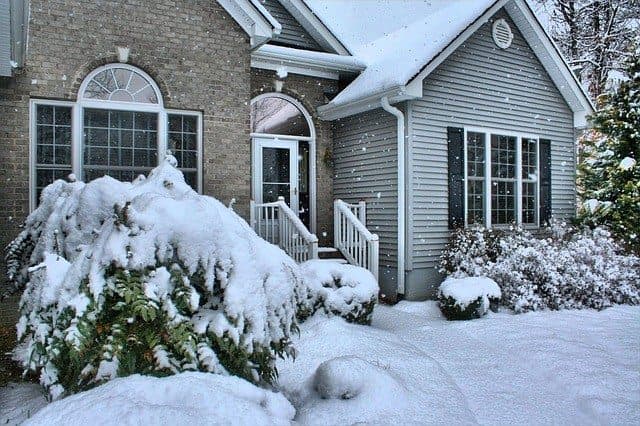
Quick Answer: A winter home inspection in the North Country focuses on the systems that take the hardest beating in the cold: the roof and attic (ice dams), the heating system, the pipes (freezing), and the spots where cold air and water sneak in. Catching weak points before deep winter is far cheaper than dealing with a burst pipe or an ice-dam leak in January.
Winter up here doesn't mess around. Lake-effect snow rolling in off Lake Ontario, stretches of brutal cold, and the freeze-thaw cycle that works on every joint and crack in your house. A home that's perfectly fine in October can spring an expensive problem in January if its weak points go unaddressed. So we put together the checklist we use, and the one we wish every homeowner ran before the snow flies.
We're Edith and Payen Ashley, and we inspect and advise on homes throughout St. Lawrence and Franklin Counties. Here's what to look at.
The roof and attic: stopping ice dams
Ice dams cause some of the worst winter damage we see. They form when heat escaping into the attic melts snow on the upper roof, the water runs down to the cold eaves, refreezes, and backs up under the shingles. Then it leaks into your walls and ceilings.
The fix starts in the attic, not on the roof:
- Check attic insulation. Thin or settled insulation lets heat into the attic. That's what melts the snow.
- Check attic ventilation. Good airflow keeps the roof deck cold and even, which stops the melt-refreeze cycle.
- Look for past damage. Stains along the eaves and ceiling edges point to previous ice-dam leaks.
Many older North Country farmhouses were built with little insulation and added onto over the years, which makes the attic the first place to look. We cover what we look for in our guide to inspecting an older North Country farmhouse.
Heating system: don't wait for the first cold snap
A furnace or boiler that dies in February is a genuine emergency here. Before winter sets in:
- Have the system serviced and the heat exchanger checked.
- Replace filters.
- Test that every zone and room is actually getting heat.
- If you heat with wood, have the chimney and flue inspected and cleaned.
We note the age and condition of the heating system in every inspection, because in this climate it's not a minor component. It's the thing keeping your pipes from freezing.
Pipes: the freeze risk
Frozen pipes burst, and burst pipes flood. We look for plumbing runs in vulnerable spots: unheated basements, crawl spaces, exterior walls, and garages.
- Insulate exposed pipes in cold areas.
- Seal air leaks near plumbing runs.
- Know where your main shutoff is, before you need it at 2 a.m.
- On the coldest nights, let a faucet drip and keep cabinet doors open so warm air reaches the pipes.
Old farmhouses are especially prone to this, since plumbing was often added long after the house was built and routed wherever was convenient, not wherever stays warm.
Sealing out the cold
Every gap that lets cold air in costs you money and comfort. Check the weatherstripping on doors and windows, the caulking around frames, and the seals on basement and rim-joist areas. Single-pane windows in older homes are a common culprit for drafts and condensation.
Outside the house
- Clear gutters before the snow so meltwater can drain.
- Trim branches that could fail under heavy snow and ice.
- Make sure grading still carries water away from the foundation, because spring thaw is coming.
- Check that exterior vents and the dryer vent aren't blocked by snow.
Frequently asked questions
When should I do a winter prep inspection?
Ideally in the fall, before the first hard freeze, so you have time to fix what you find.
Can you inspect a home in the middle of winter?
Yes. Winter actually makes some problems easier to spot, like active drafts, frost in the attic, and heating zones that can't keep up. Deep snow can limit the roof exterior view, and we'll note anything we couldn't fully access.
What's the single most important winter item?
The heating system and the attic, together. They protect your pipes and prevent ice dams, which are the two costliest cold-weather failures.
My old farmhouse has cold rooms. Can you tell me why?
Often, yes. Missing or settled insulation, air leaks around old windows and the rim joist, and a heating system that doesn't reach every room are the usual causes, and we look at all of them during an inspection.
Related Reading
- Inspecting an Older North Country Farmhouse: What We Check
- Buying a Seasonal Camp in the North Country? What to Inspect
- Pre-Purchase Inspection Checklist for Northern NY Buyers
- How Much Does a Home Inspection Cost in St. Lawrence County, NY?
Want a second set of eyes before winter hits? We're New York State licensed, serving St. Lawrence County, Franklin County, and the North Country. Call (315) 869-8560 or email Teamashley05@gmail.com and we'll help you get ahead of the cold.